When Care Moves Beyond the Hospital, Secure Access Becomes Critical
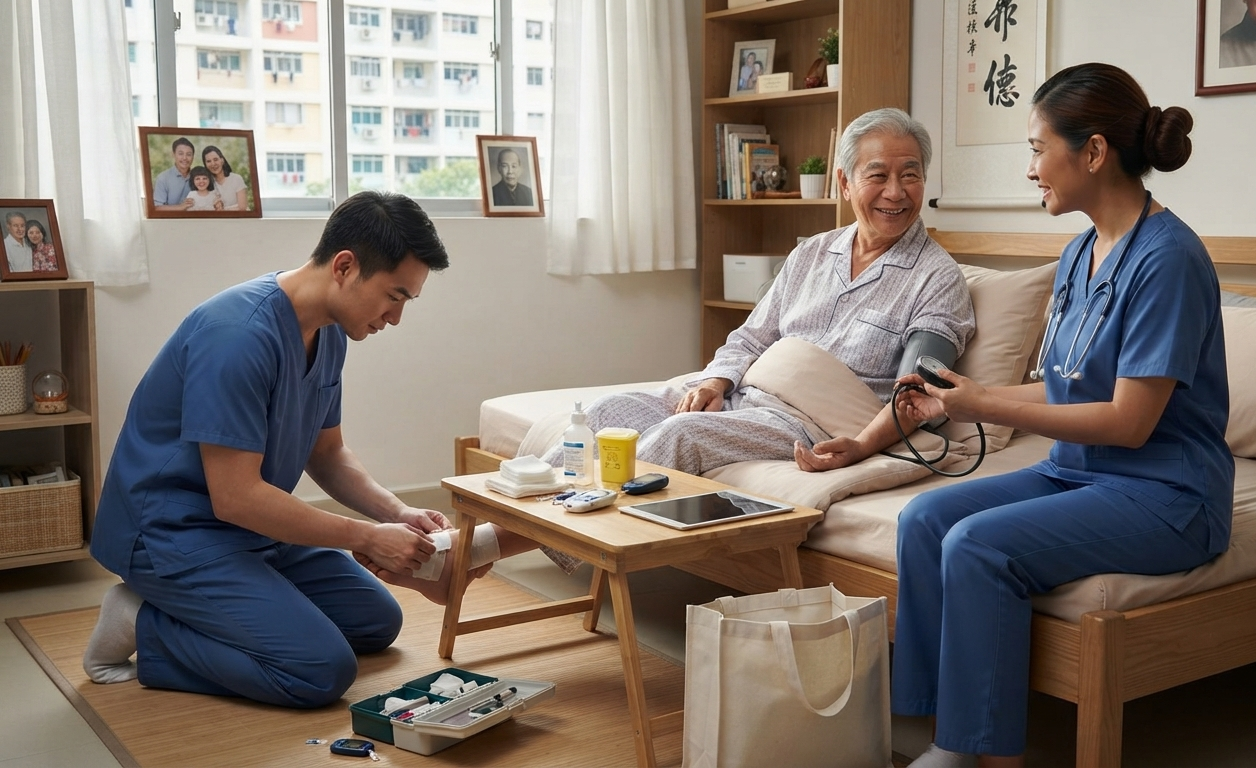
Healthcare is no longer delivered only within hospital walls.
Doctors, nurses, allied health professionals, home care teams and community healthcare providers increasingly access clinical systems while visiting patients, travelling between locations and working from satellite clinics.
As Singapore’s population continues to age, demand for home-based care, community healthcare and telehealth services continues to grow.
To stay productive on the move, healthcare professionals need secure and reliable access to hospital systems wherever they are.
As Singapore’s healthcare sector expands home-based care and telehealth services, clinicians need secure, reliable access to hospital resources wherever they are.
Many healthcare organisations still rely on manual VPN logins to access electronic medical records (EMRs), clinical applications and internal systems. While familiar, this approach can interrupt workflows, create IT support overhead and delay access when clinicians need information quickly.
As mobile healthcare becomes the norm, secure remote access should be seamless, not another step clinicians have to remember. Healthcare organisations also need to protect sensitive patient data while meeting PDPA compliance requirements.
So, are manual VPN logins still the best way to provide secure access for today’s mobile healthcare workforce?
In this article, we’ll explore the limitations of traditional VPN-based access and how our Secure Wi-Fi Hotspot helps healthcare organisations provide secure, seamless access to hospital resources without manual VPN logins.
Healthcare Mobility Is Accelerating Across Singapore
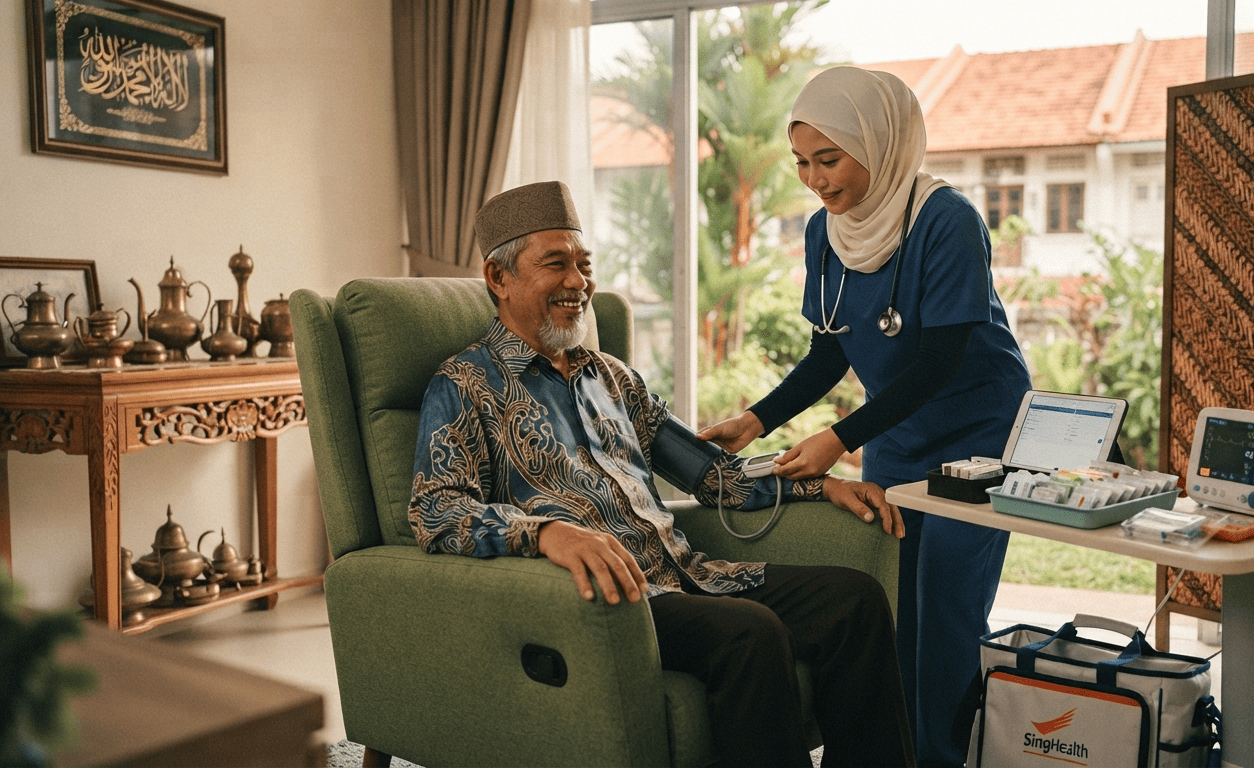
The Ministry of Health is accelerating the shift towards care beyond hospital walls.
Through the Mobile Inpatient Care @ Home (MIC@Home) programme, 200 beds worth of hospital-level care are delivered directly in patients’ homes, part of a broader plan to add over 13,600 healthcare beds between 2025 and 2030 (MOH, 2025).
Alongside this, Singapore’s home healthcare market is projected to exceed USD 995 million by 2033, growing at a CAGR of 7.81% as remote patient monitoring and home-based skilled nursing expand (Spherical Insights, 2024).
As clinicians spend more time working outside traditional healthcare facilities, they need fast, secure and uninterrupted access to electronic medical records (EMRs), clinical applications and hospital resources wherever care is delivered.
Without reliable and secure remote access, healthcare organisations risk:
- Interrupted access to EHRs and care plans in the field
- Delayed documentation that pushes billing and compliance deadlines
- Rising IT support burden from unmanaged, unmonitored devices
- Exposure of personal health data outside the organization’s controlled network
Reliable and secure connectivity is no longer just an IT requirement – it’s essential to maintaining clinical productivity, protecting patient information and delivering quality care wherever patients are.
Why Manual VPN Logins Are Holding Healthcare Back
As healthcare professionals become increasingly mobile, secure remote access needs to be both seamless and secure. However, many healthcare organisations still rely on traditional VPNs that require clinicians to manually authenticate before accessing electronic medical records (EMRs), clinical applications and other hospital resources.
This creates several operational and security challenges:
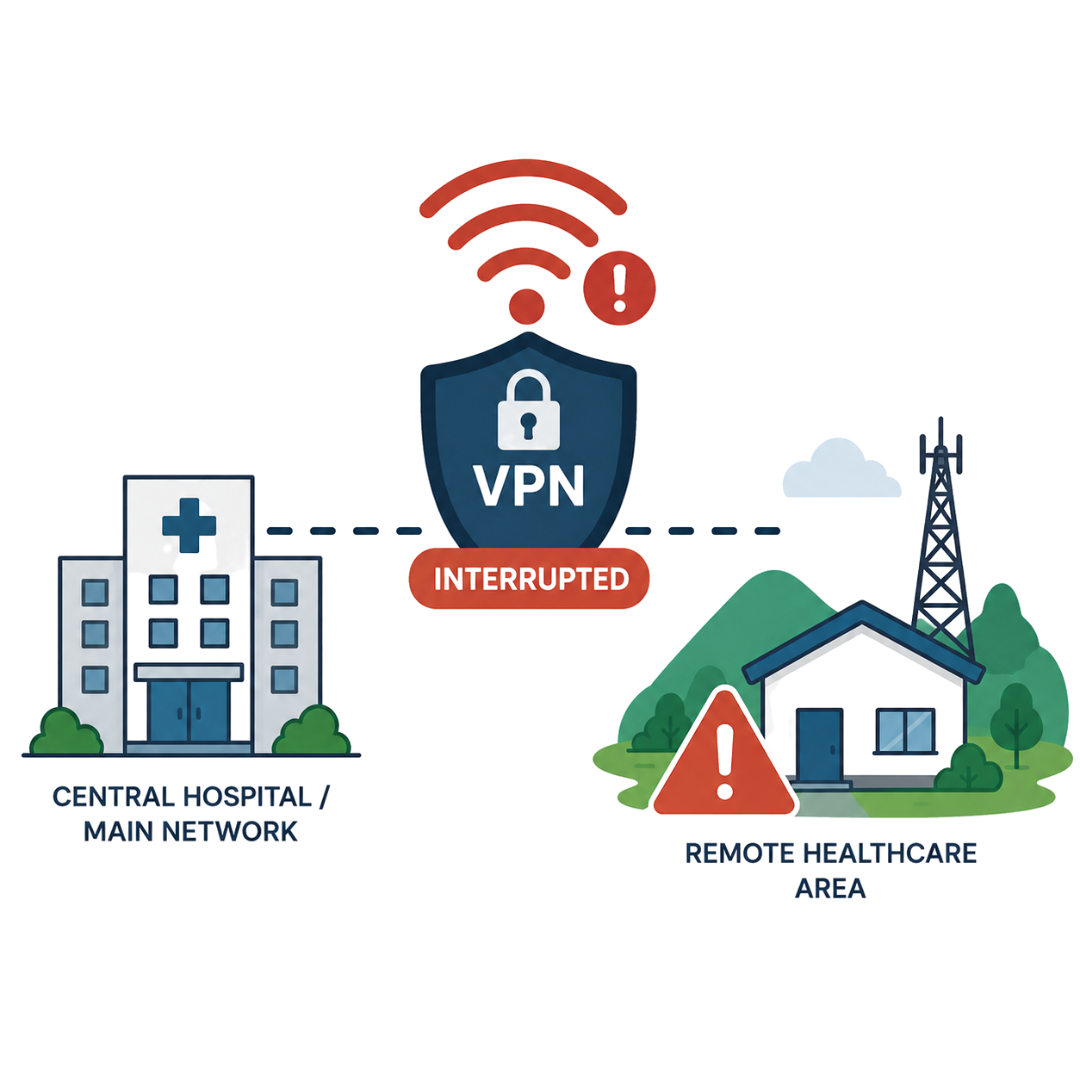
- Manual VPN logins. Clinicians must authenticate before every session, adding unnecessary steps during time-critical patient care.
- Interrupted access. VPN sessions can disconnect when staff move between locations or mobile networks, requiring repeated logins.
- Increased IT support. Forgotten passwords, expired credentials and VPN connectivity issues generate avoidable helpdesk requests.
- Security risks. Staff may delay or bypass VPN access altogether when it becomes inconvenient, increasing the risk of sensitive patient data being accessed over unsecured connections.
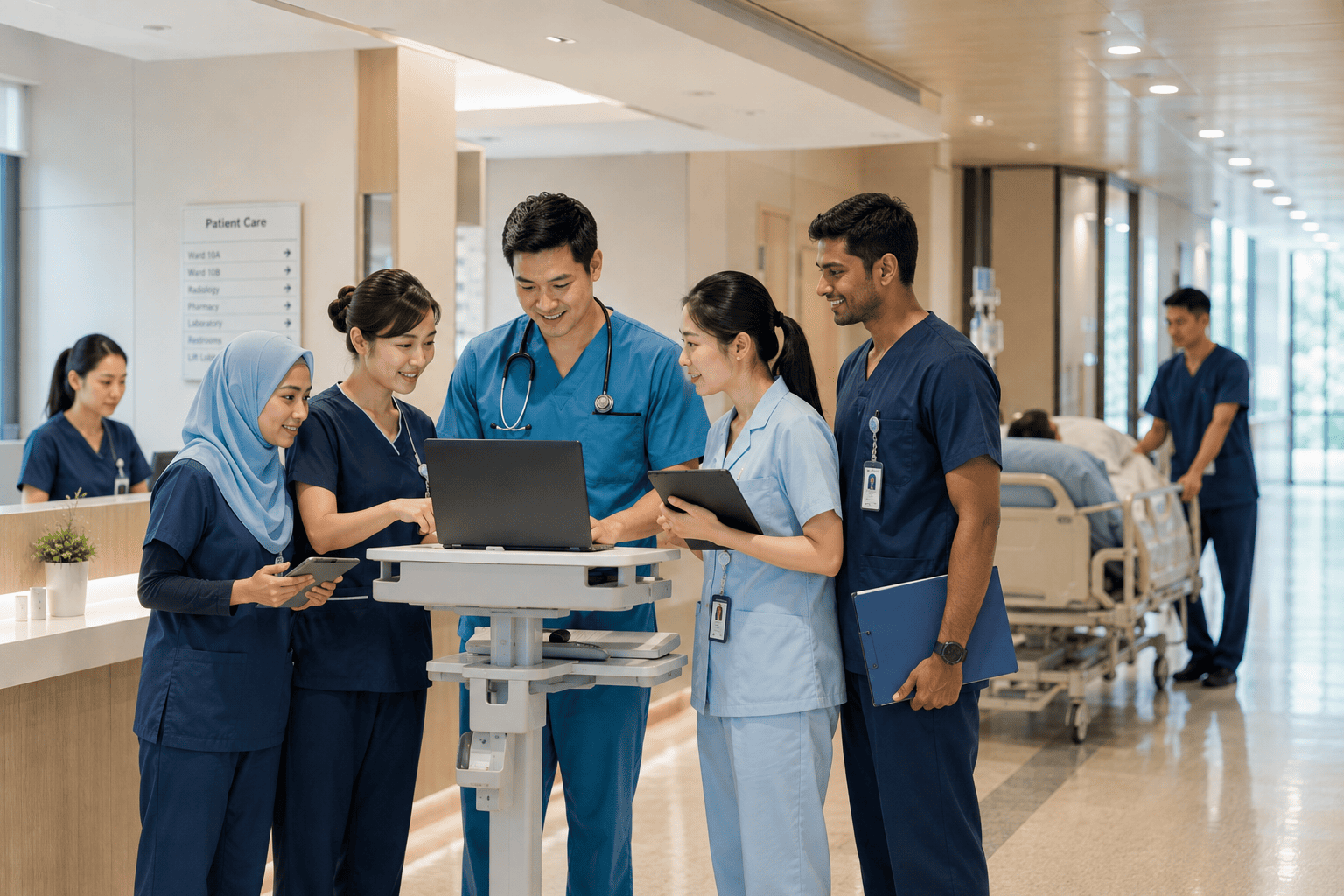
What Healthcare Environments Actually Need – Our Secure Mobile Wi-Fi Hotspot
As healthcare becomes increasingly mobile, organisations need more than just internet connectivity. They need a secure remote access solution that protects patient data, simplifies IT management and enables clinicians to access hospital resources without the burden of manual VPN logins.
1. Seamless Secure Access to Hospital Resources
With our Secure Wi-Fi Hotpot, clinicians can securely access electronic medical records (EMRs), clinical applications and other hospital systems without manually launching or authenticating a VPN, reducing delays during patient care.
Benefit: Faster, uninterrupted access allows healthcare professionals to focus on patients instead of managing connectivity.
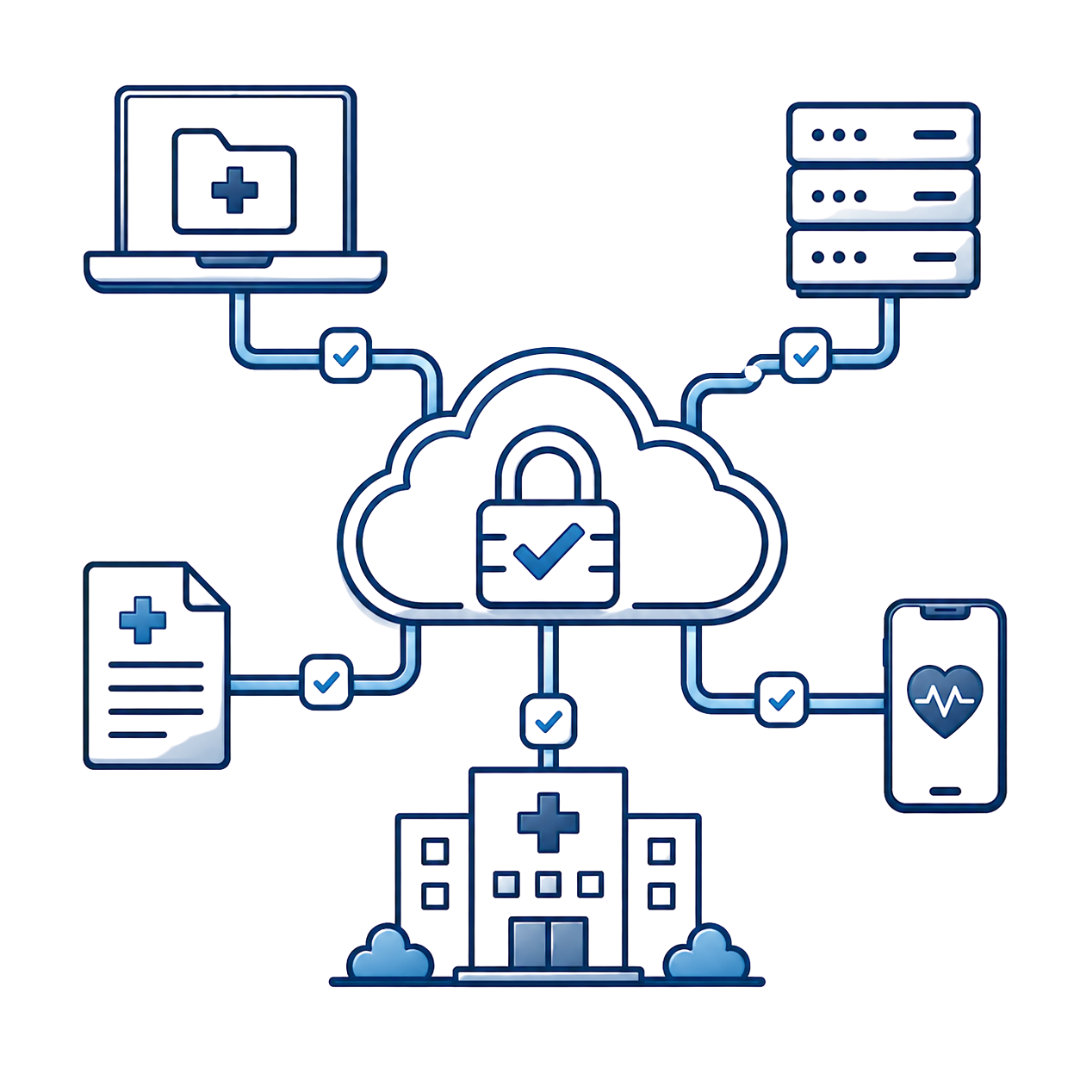
2. Enterprise-Grade Encryption on Every Connection
Every session runs on enterprise-grade encryption, keeping patient data protection consistent with what PDPA’s “reasonable security arrangements” requirement expects.
Security Insight: Encryption that’s “on by default” and cannot be disabled or downgraded in the field closes the exact gap that let attackers into networks like SingHealth’s in 2018.
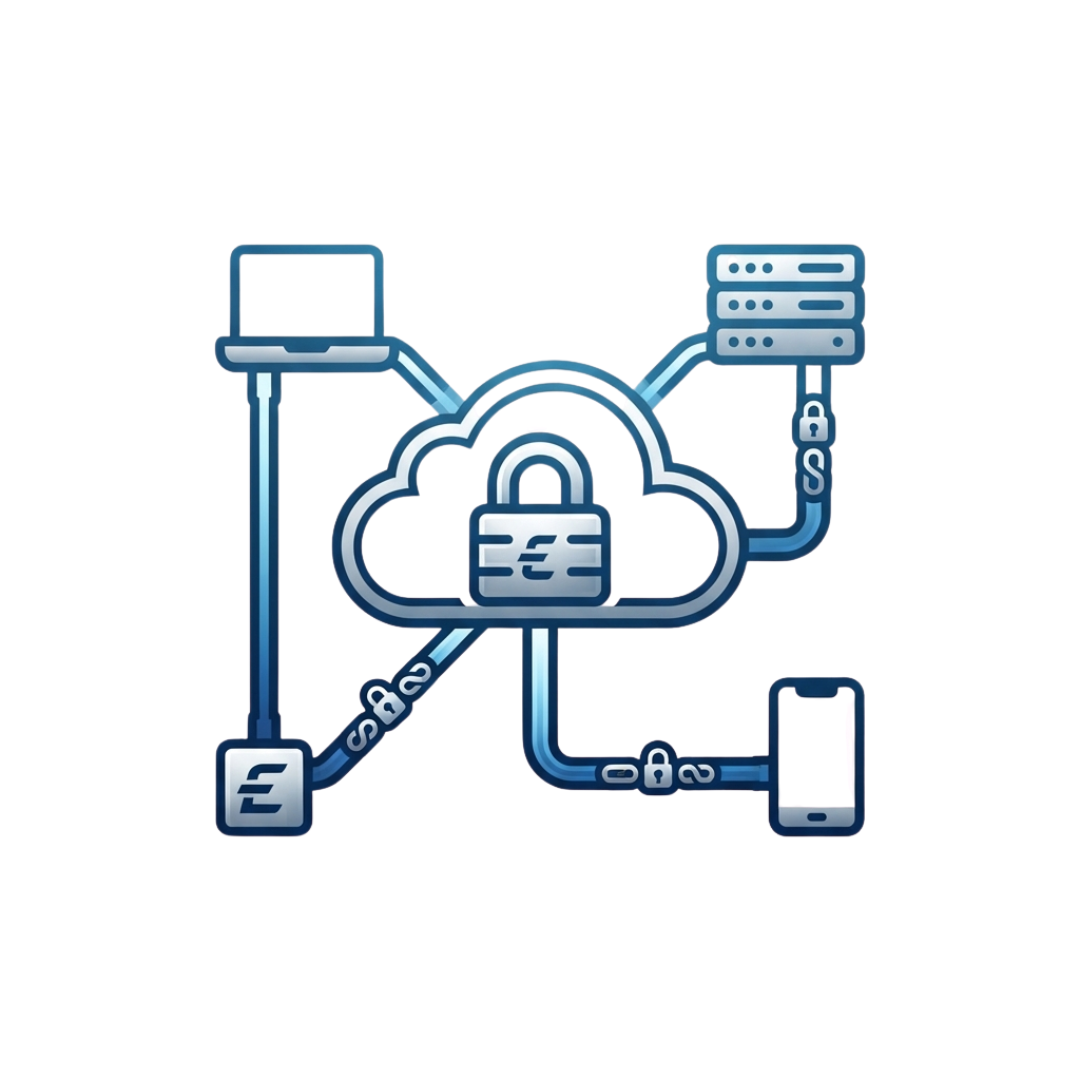
3. Centralised Device Management
IT teams can gain centralised control over security policies, including URL filtering, firewall rules and access policies.
Customers also have direct access to a security dashboard, allowing them to monitor their security posture and perform security health checks when needed.
Security Insight: Visibility turns connectivity from a blind spot into part of the healthcare IT security programme itself, closing the window an unmanaged device would otherwise leave open.
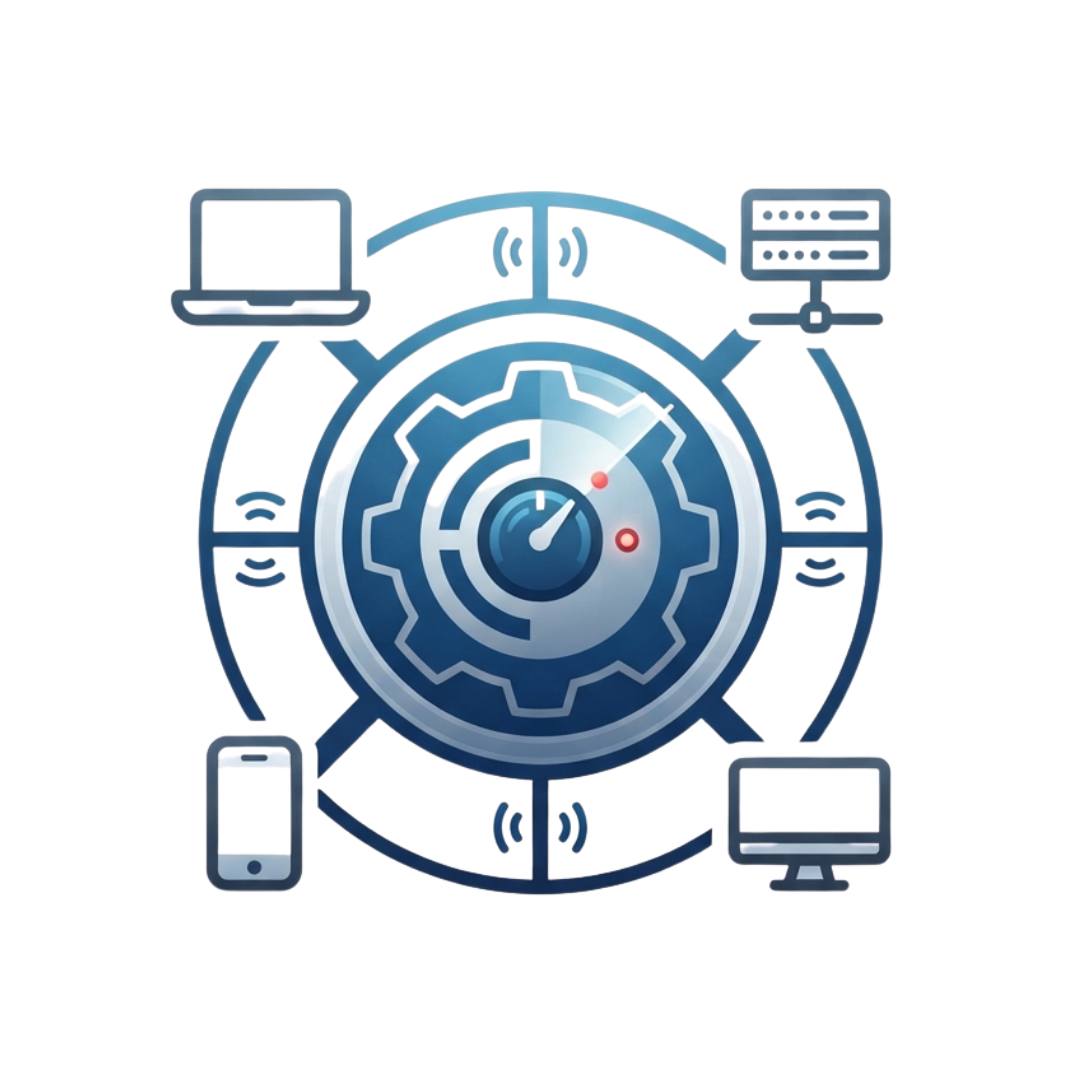
4. Reliable Connectivity Wherever Care Is Delivered
Clinicians can now remain always connected while working in patients’ homes, community care facilities or travelling between appointments, reducing disruptions caused by poor network coverage.
Security Insight: Reliable access to hospital resources helps maintain clinician productivity and continuity of care.
Healthcare organisations need more than a standard mobile hotspot. They need a secure, managed connectivity solution that enables clinicians to work confidently beyond hospital walls while giving IT teams greater control, visibility and peace of mind.
Conclusion - Secure Remote Access Shouldn't Slow Down Patient Care
Healthcare in Singapore is becoming increasingly mobile, and clinicians need secure, reliable access to hospital resources wherever care is delivered.
As programmes like MIC@Home, home-based care, and telehealth continue to expand alongside the ageing population, the organisations that stay ahead are not necessarily the ones with the biggest IT budgets.
They are the ones who treat healthcare connectivity as clinical infrastructure, evaluate it with the same rigor as any other system touching personal health data, and stop relying on consumer-grade hardware to carry enterprise-grade risk.
Our Secure Wi-Fi Hotspot enables healthcare professionals to securely access hospital systems with a simpler, more seamless experience, while helping IT teams maintain greater control over devices, connectivity and data security.
Looking to simplify secure remote access for your healthcare workforce?
Discover how LGA Secure Wi-Fi Hotspot helps healthcare organisations provide secure, seamless access to clinical systems and patient records — without the burden of manual VPN logins.
References
ATET Security. (2026). Healthcare Cybersecurity in Singapore: PDPA Risks & Lessons (2025–2026). https://atetsecurity.com/healthcare-cybersecurity-singapore-pdpa-2025-2026/
Cyber Management Alliance (CM-Alliance). (2026, July 28). Public wi-fi security risks every business traveller should know. Public Wi-Fi Security Risks Every Business Traveller Should Know. https://www.cm-alliance.com/cybersecurity-blog/public-wi-fi-security-risks-every-business-traveller-should-know
Mind-Core Technologies. (2026, March 1). Risks of using public WIFI: What you need to know: Mindcore. Mindcore Technologies. https://mind-core.com/blogs/what-are-the-risks-of-using-public-or-unsecured-wi-fi/
Ministry of Health, Singapore. (2025, March 7). Expanding Healthcare capacity and transforming the healthcare workforce. https://www.moh.gov.sg/newsroom/expanding-healthcare-capacity-and-transforming-the-healthcare-workforce/
Spherical Insights. (2024, October). Singapore Home Healthcare Market Size, outlook forecasts to 2033. Spherical Insights. https://www.sphericalinsights.com/reports/singapore-home-healthcare-market