
Welcome to our LGA Monthly Security Bytes!
Here, you’ll find bite-sized security developments and practical insights to help you stay ahead of day-to-day security operations.
In the past month, newly disclosed vulnerabilities affecting Palo Alto PAN-OS, Apache HTTP Server and Linux kernel environments have heightened the risks of unauthorized access, remote code execution, privilege escalation and operational disruption.
These exposures impact core enterprise firewall, web server and Linux systems, potentially creating direct pathways into critical infrastructure if left unaddressed.
With LGA, organizations can proactively strengthen infrastructure visibility, monitor for suspicious activity and support timely remediation before threats impact operations.

A critical PAN-OS vulnerability has allowed remote unauthenticated attackers to execute code as root, potentially leading to firewall compromise.
Critical Vulnerabilities were identified in the following: • PAN-OS 12.1: Versions prior to 12.1.4-h5, or 12.1.7 |
Newly disclosed security risks in Apache and Linux environments are exposing core infrastructure to system compromise, privilege escalation and operational disruption.
Critical Vulnerabilities were identified in the following: • Apache HTTP Server (Version 2.4.66) |
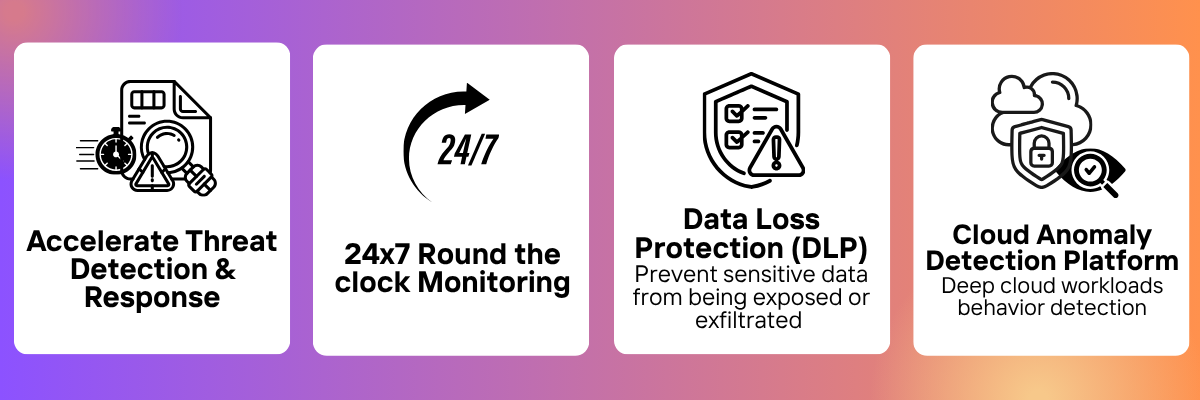
Enjoy un-interrupted data protection through our 24/7 security monitoring and end-to-end ownership from LGA

All-in-One IT Solutions: Secure, Connected and Cloud-Ready with LGA
© 2025 LGA Telecom Pte Ltd. All Rights Reserved.