Why Tech Refresh Is No Longer Optional
Technology is the backbone of modern business operations, enabling organisations to stay productive, secure, and competitive in an increasingly digital landscape.
From supporting day-to-day workflows to enabling advanced analytics and AI-driven innovation, IT infrastructure plays a critical role in how effectively businesses operate and scale.
However, many organisations continue to rely on ageing IT infrastructure that can create performance bottlenecks, increase cybersecurity exposure, and limit their ability to support modern workloads.

As technology requirements continue to evolve, delaying a tech refresh can lead to higher maintenance costs, reduced productivity, and greater operational risks.
To remain resilient and future-ready, businesses must take a proactive approach to modernising their IT environment.
So how do you know when it’s time for an infrastructure refresh?
Recognizing the warning signs early can help organisations reduce operational risks, control costs, and ensure their IT environment remains ready to support future business growth.
Here are some key indicators that your technology infrastructure may be due for a refresh.
5 Signs Your Business Needs a Tech Refresh
Technology rarely fails all at once.
Instead, ageing IT infrastructure often shows early warning signs such as declining performance, increasing support requests, and growing challenges in supporting new business initiatives.
Organizations often delay action until issues become disruptive to daily operations.
Recognising these signs early can help businesses reduce operational risks, improve productivity, strengthen security, and better prepare their IT environment for future growth.
1. Slow System Performance is Reducing Business Productivity
Employees experiencing sluggish systems, long startup times, or unresponsive applications are clear indicators that your infrastructure could need a hardware refresh.
Research shows that computer freezes, crashes, and slowdowns can cause employees to lose up 20% of their working time, directly impacting productivity and business performance.
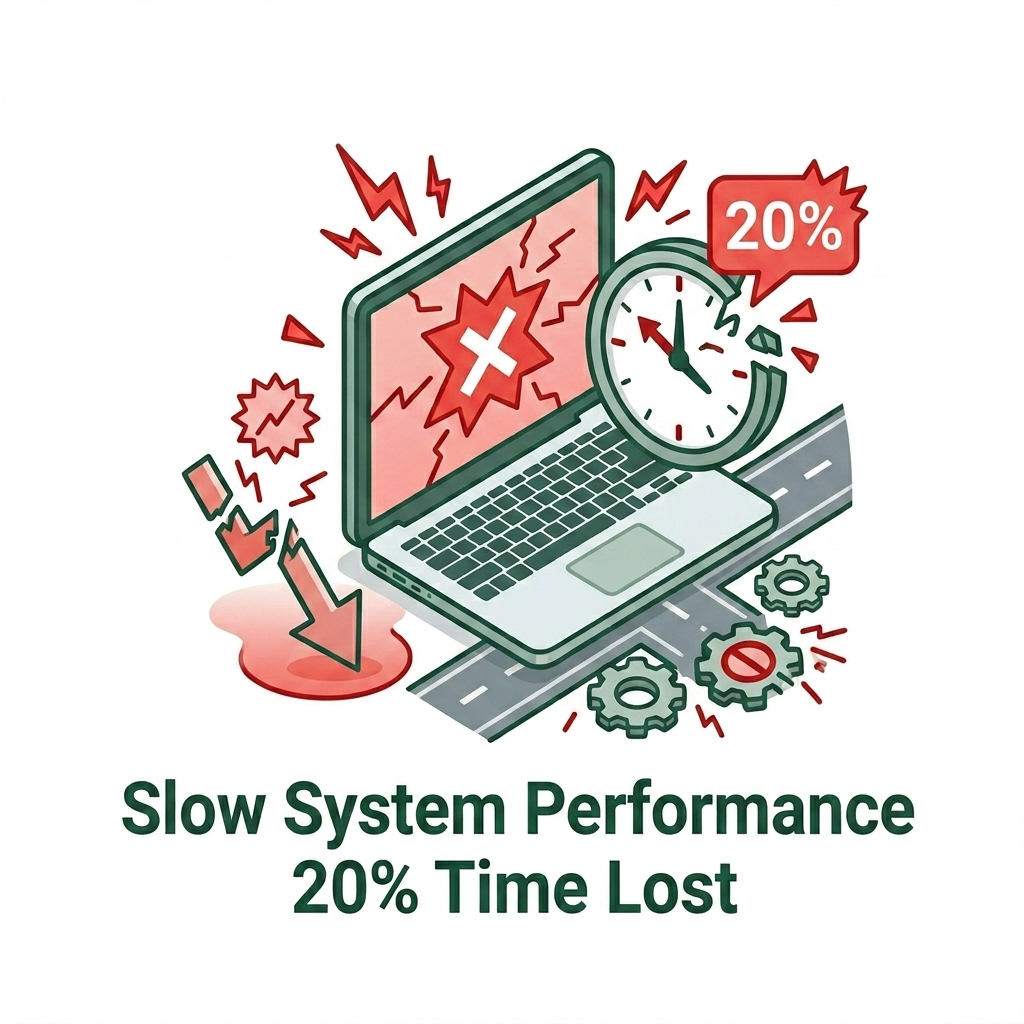
Moreover, organisations with modern infrastructure can achieve up to 10x faster deployment frequency and 60% quicker time-to-market.
When systems struggle to support AI infrastructure or data‑intensive workloads, frustration mounts and operational momentum stalls (Jawanda, 2023).
2. Frequent Downtime and Recurring System Failures
Frequent IT tickets, unexpected outages, and recurring system breakdowns are often signs that critical hardware or software is reaching the end of its lifecycle.
Research indicates that vulnerabilities are up to four times more common in infrastructure that is nearing its end of life (EOL) or beyond its warranty than in other types of infrastructure (McManus, 2025).
In addition to increasing security risks, outdated infrastructure can result in higher maintenance costs and longer recovery times when failures occur.
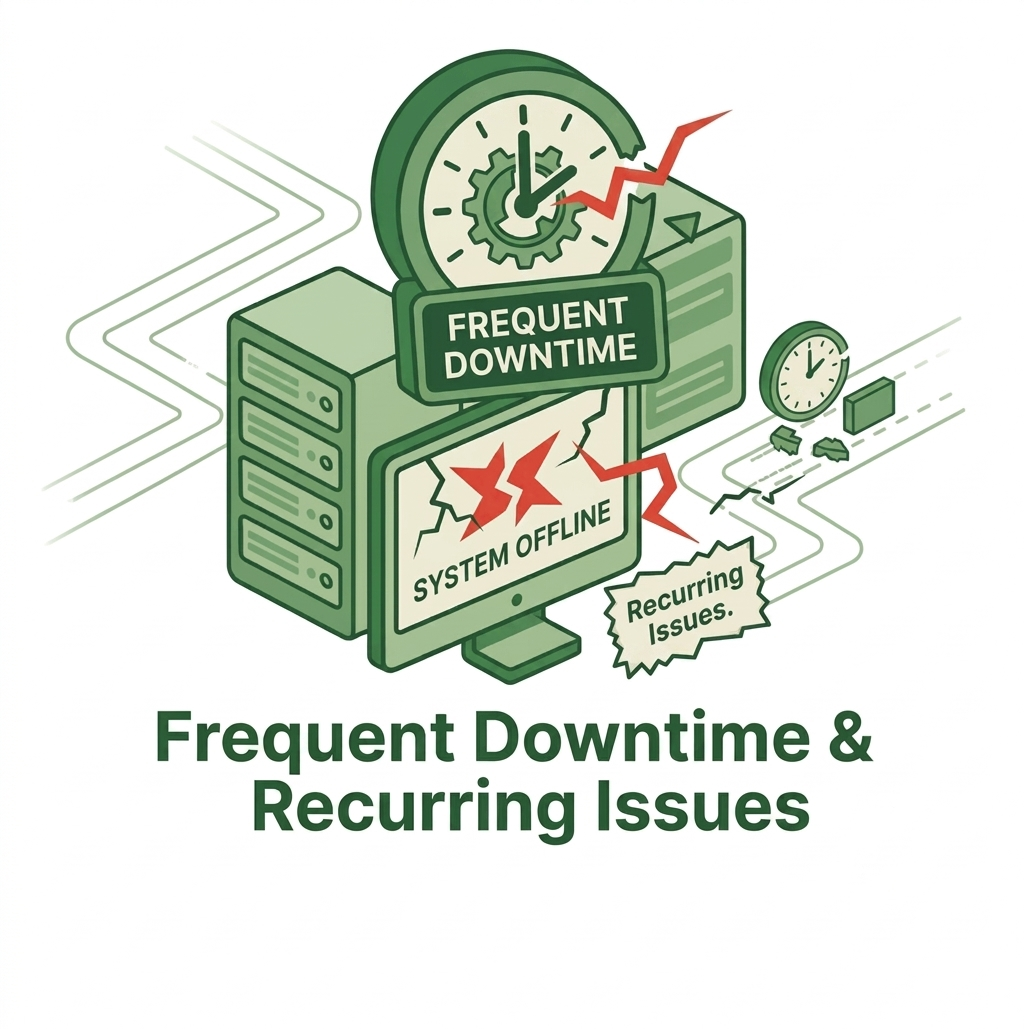
A proactive tech refresh helps organisations improve system stability, reduce unplanned downtime, and maintain business continuity.
By modernising critical infrastructure before failures occur, businesses can enhance service reliability and better support operational demands.
Tech Refresh Tip: Replace ageing hardware before it reaches end-of-life, and ensure critical systems remain under vendor support to reduce operational risks and improve reliability.
3. Unsupported Hardware or Software
Running end-of-support (EOS) or outdated hardware can expose organisations to significant security, operational, and compliance risks.
For instance, unsupported software no longer receives critical patches, leaving systems vulnerable to security threats, malware, and compliance risks.
It is also known that EOS software has over half of all known exploitable vulnerabilities, which are four times more likely to be weaponised (McManus, 2025).
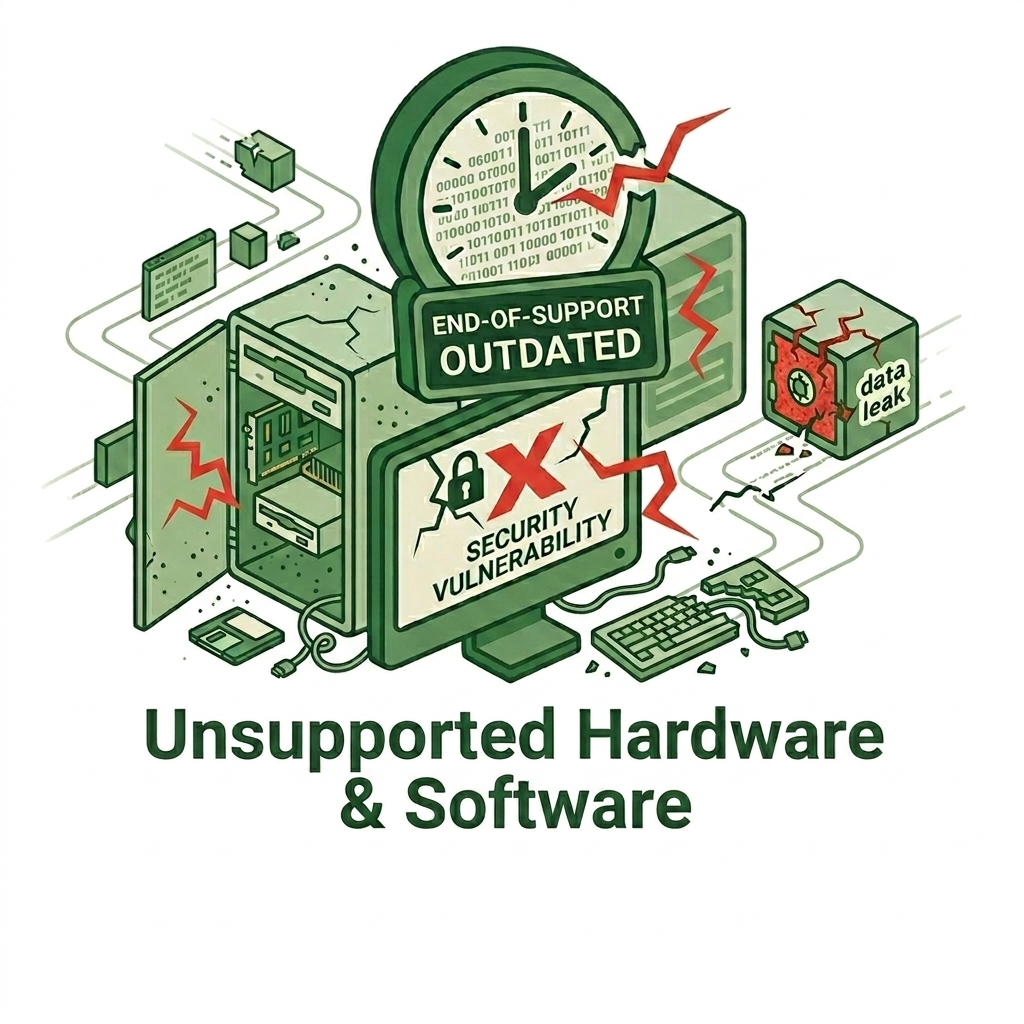
In addition to increasing cybersecurity risks, unsupported systems may create compatibility issues with newer applications and make it more difficult to meet regulatory and compliance requirements.
Whether through a targeted server refresh, workstation upgrade, or software modernisation initiative, keeping infrastructure up to date helps reduce risk while ensuring compatibility with evolving business needs.
Tech Refresh Tip: Regularly review hardware warranty status and software support lifecycles to identify systems that should be upgraded before they become security or operational liabilities.
4. Rising Maintenance and Operational Costs
As IT infrastructure ages, maintenance and operational costs often increase significantly.
Older systems typically require more frequent repairs, manual intervention, and specialised support, while also consuming more power and resources than modern alternatives.
Many organisations continue to invest heavily in maintaining legacy environments, allocating a substantial portion of their IT budgets to ongoing support, software licensing, and infrastructure upkeep.
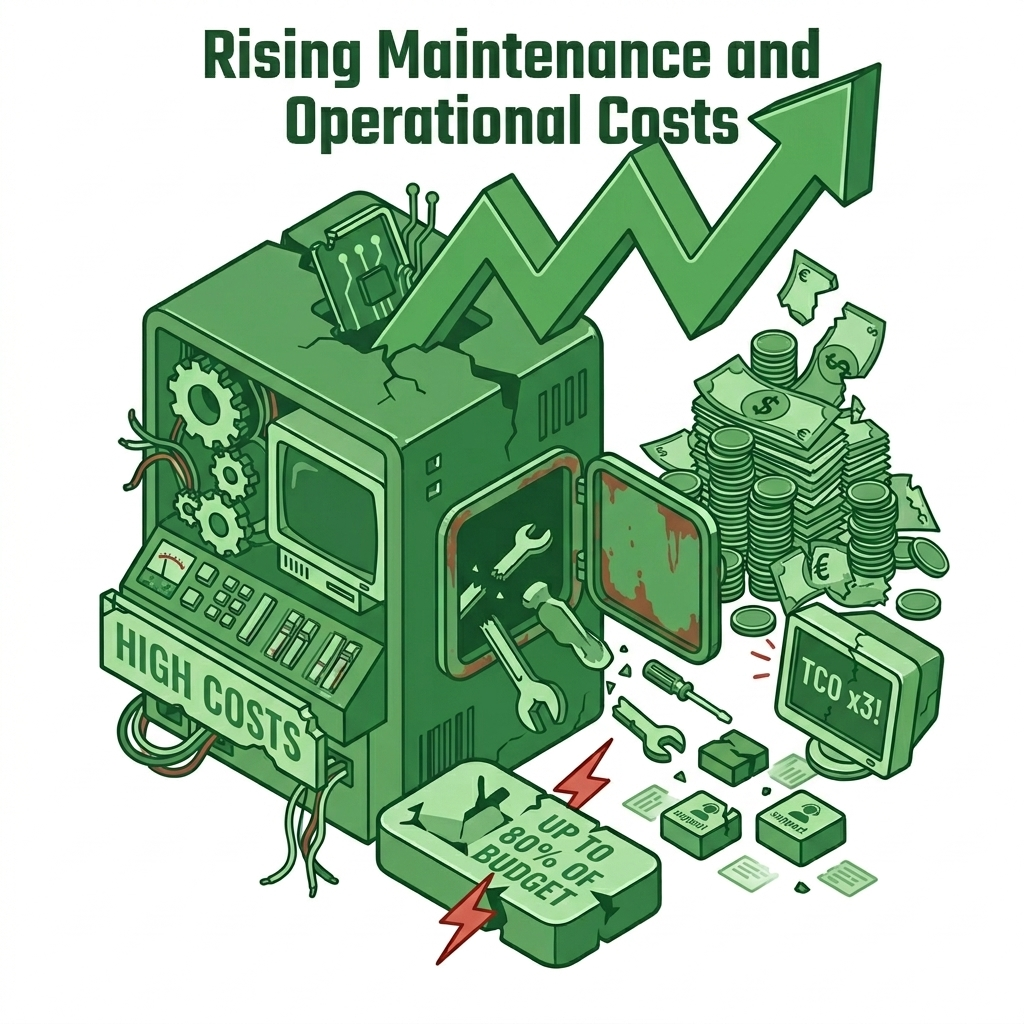
While these costs may appear manageable individually, they can accumulate over time and reduce the resources available for innovation and business growth.
In addition to direct expenses, ageing infrastructure can introduce indirect costs through productivity losses, unplanned downtime, and security incidents.
Studies suggest that these hidden costs can increase the total cost of ownership (TCO) to two or three times the original investment (Roberts, 2024).
A strategic technology refresh can redirect these savings toward fostering innovation and enhancing long-term efficiency.
5. Your Infrastructure Can’t Support New Workloads or AI Tools
Modern businesses increasingly rely on AI, cloud services, advanced analytics, and hybrid work environments.
If your current setup cannot support advanced analytics, AI workloads, or GPU-powered applications, it is a strong indicator that an AI infrastructure upgrade is pertinent.
Legacy systems often lack the processing power, scalability, and ongoing vendor support needed for modern workloads.
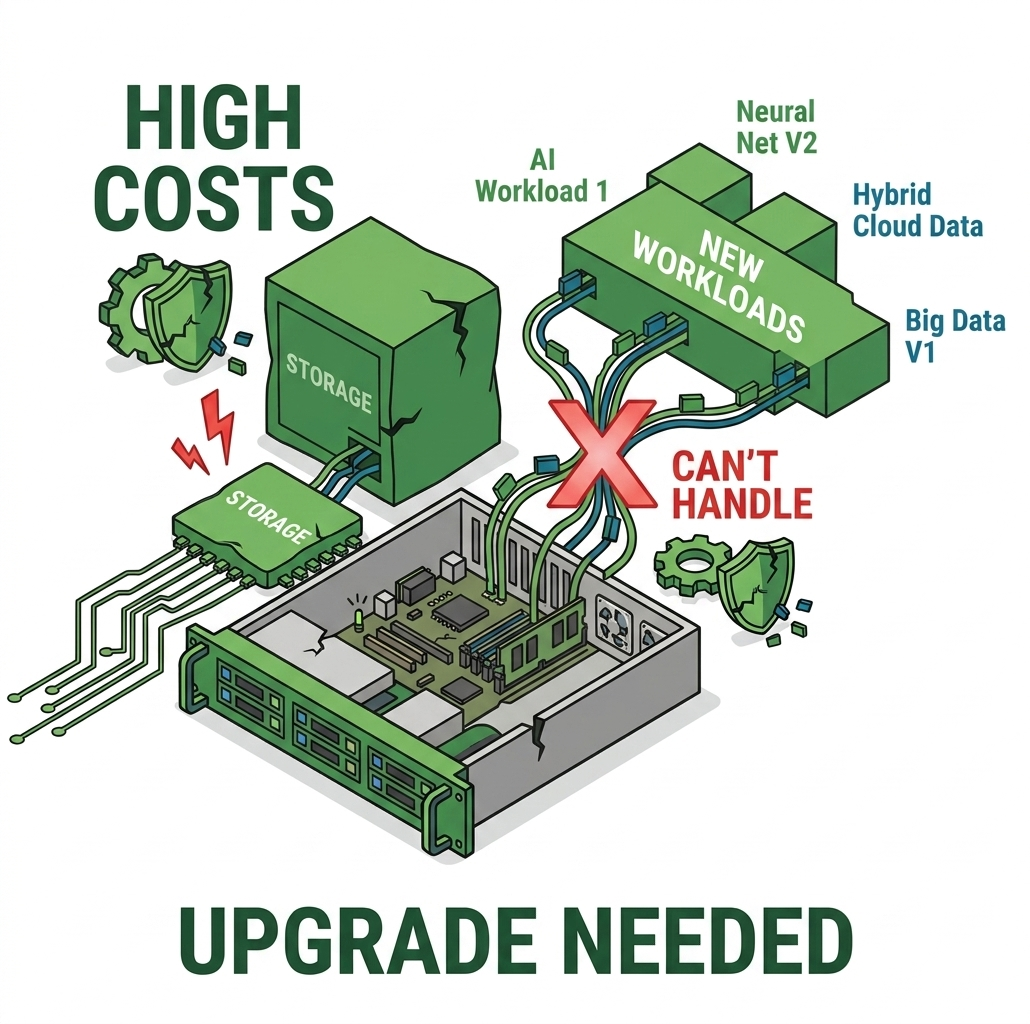
This can result in performance bottlenecks, security risks, and challenges when adopting new technologies.
A strategic tech refresh helps ensure your infrastructure is ready to support AI initiatives, cloud applications, and future business demands.
While every organisation’s technology requirements are different, one question remains the same:
When is the right time to refresh your IT infrastructure?
How LGA Supports Your Tech Refresh Journey
A successful tech refresh involves more than simply replacing ageing hardware.
It requires a strategic approach that aligns technology investments with business objectives, operational requirements, and future growth plans.
LGA takes a structured approach to help organisations modernise their IT environment with confidence.
From assessing existing infrastructure and identifying technology gaps to recommending the right solutions, we help ensure every investment delivers measurable business value.
Whether it’s a targeted server refresh, workstation upgrade, networking enhancement, or infrastructure modernisation project, LGA helps organisations improve performance, strengthen security, and build a scalable foundation for future growth.
1. Infrastructure Audit and Assessment
A successful tech refresh starts with understanding the current state of your IT environment.
Without a clear assessment, organisations may invest in upgrades that do not fully address performance challenges, security risks, or future business requirements.
At LGA, we begin with discovery sessions to gain a clear understanding of your current infrastructure, business priorities, and future requirements.
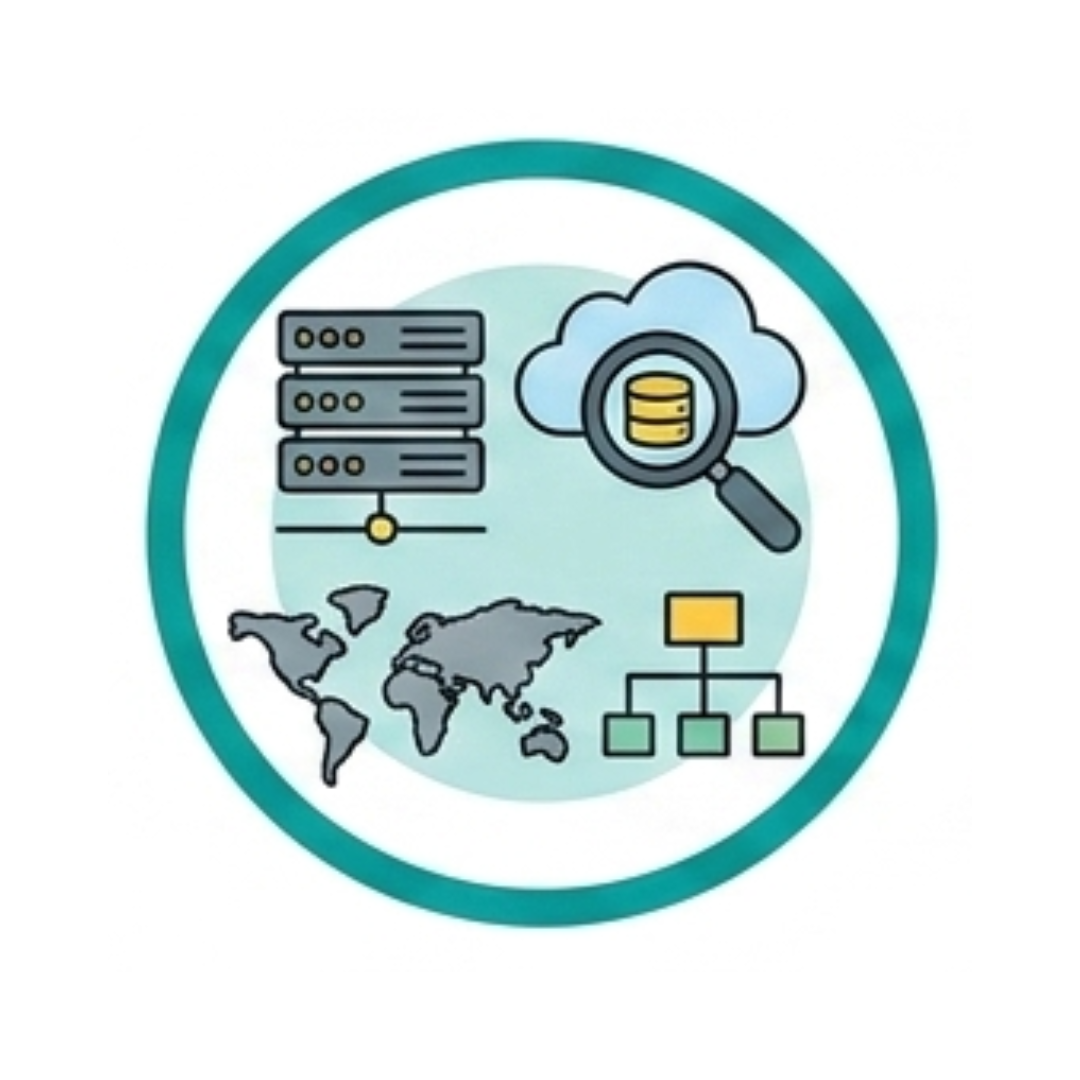
Based on these findings, we develop a tailored refresh roadmap aligned with your business objectives and long-term growth plans.
2. Tailored IT Refresh Recommendations
Every organisation has unique technology requirements, and a one-size-fits-all approach rarely delivers the best results.
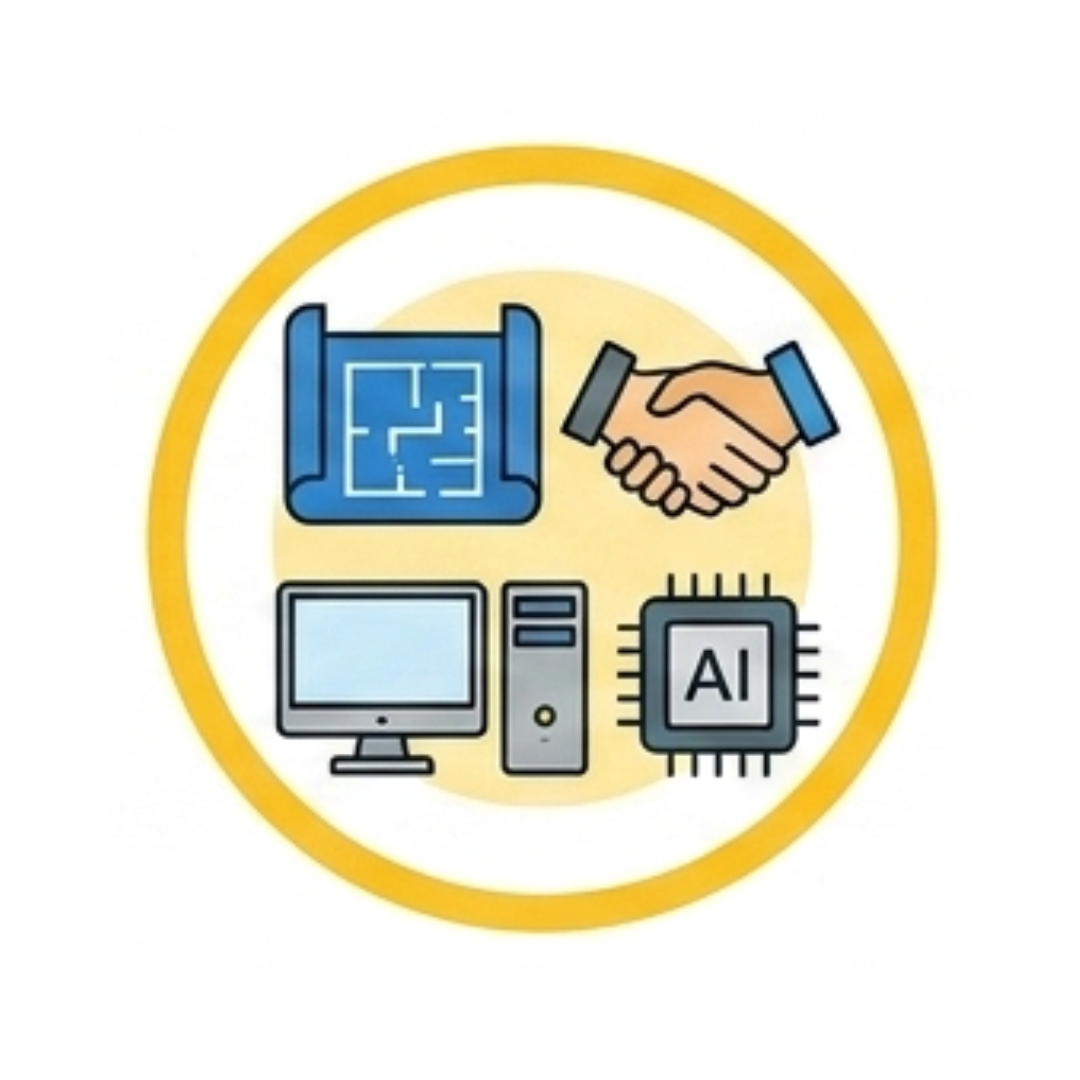
LGA provides tailored recommendations based on your specific infrastructure, operational needs, and growth objectives.
Whether it involves a targeted server refresh, a full workstation upgrade, networking enhancements, or specialized solutions to support AI and high-performance workloads, our recommendations are designed to address your specific challenges and future requirements.
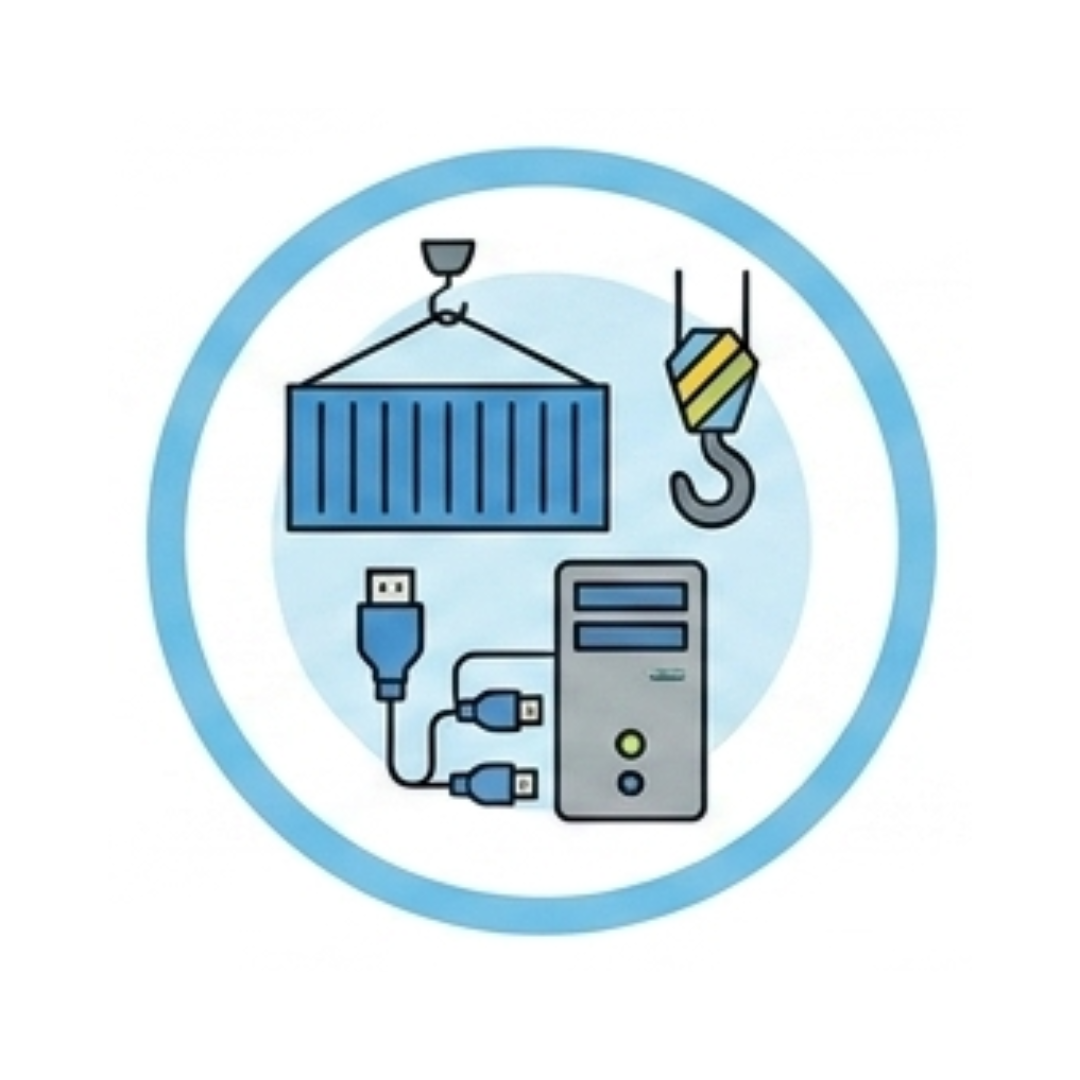
3. Hardware Procurement & Deployment
From sourcing for reliable, enterprise-grade hardware to ensuring seamless deployment, LGA manages the entire hardware refresh process end-to-end. This includes detailed planning, configuration, and integration with your existing systems to ensure compatibility and performance.
By minimizing disruption during the implementation, LGA helps organisations to modernise their IT environment efficiently, while also maintaining the business’s continuity.
4. Migration Planning
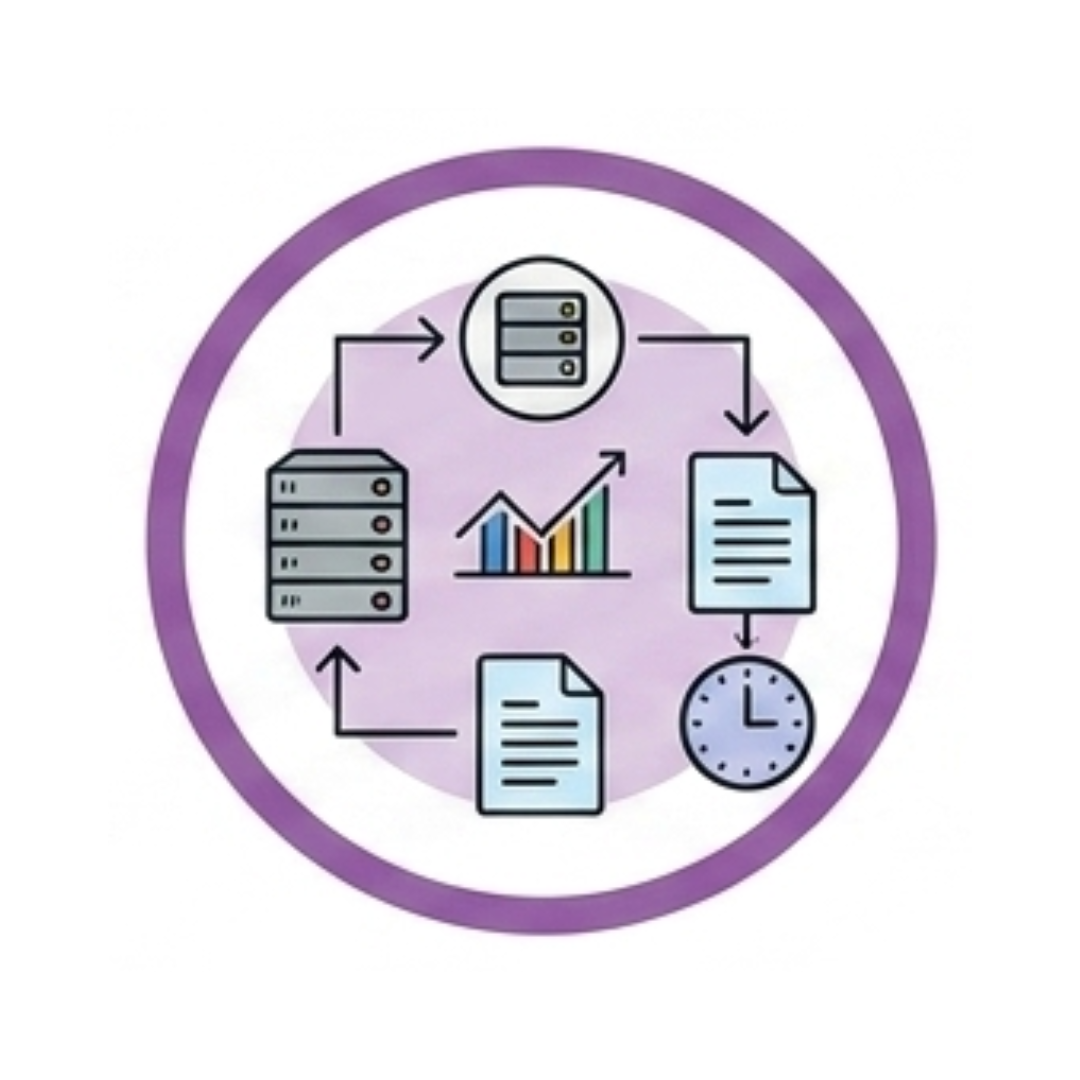
Upgrading infrastructure does not have to be risky or disruptive.
LGA follows a structured migration approach, combining careful planning and technical expertise to ensure the system compatibility, minimise downtime, and support seamless transition to new platforms.
This allows organisations to modernise their IT Environment with confidence while keeping critical business operations running smoothly.
Conclusion
The hidden costs of outdated IT infrastructure can significantly impact business operations overtime, often in ways that are not immediately visible. From declining productivity and recurring downtime to growing security and compliance risks, outdated systems can limit an organisation’s ability to operate efficiently and adapt to changing business demands.
As organisations increasingly adopt cloud technologies, hybrid work patterns, AI-driven solutions, relying on just legacy systems is no longer sustainable.
Recognising the early signs of ageing technology is the first step towards building a more resilient, secure, and future-ready IT environment.
In addition to resolving immediate performance and security issues, a proactive IT infrastructure refresh helps companies to grow, develop and stay competitive in a quickly changing digital environment.
A tech refresh does not have to be complex.
With the right strategy and technology partner, organizations can modernize with confidence and maximise the value of their IT investments for future growth.
Transform Your IT Infrastructure for Long-Term Success
Speak with our experts to explore how a strategic technology refresh can improve productivity, security, and operational efficiency.
References
Demchenko, M. (n.d.). Legacy systems cost in 2026: The real cost of maintaining legacy systems- Ncube. Legacy Systems Cost: How Much Does It Really Cost to Maintain Legacy Software? . https://ncube.com/cost-of-maintaining-legacy-systems
Jawanda, V. S. (2023, April 18). The business impact of outdated infrastructure: Why scalability and robustness matter. LinkedIn – The business impact of outdated infrastructure: Why scalability and robustness matter. https://www.linkedin.com/pulse/business-impact-outdated-infrastructure-why-matter-singh-jawanda/
McManus, C. (2025, May 6). Tech debt & EOL/eos risks: Cyber threats explained. Qualys – Understanding the Hidden Cyber Risk from Tech Debt and EoL/EoS Security Gaps. https://blog.qualys.com/product-tech/2024/07/09/understanding-the-hidden-cyber-risk-from-tech-debt-eol-eos
Roberts, A. (2024, August 28). The hidden costs of maintaining legacy systems: Recordpoint. The Hidden Costs of Maintaining Legacy Systems. https://www.recordpoint.com/blog/maintaining-legacy-systems-costs